What does a brand manager actually do? Responsibilities, skills and a typical month
 Kübra Tunca, brand manager
10 November 2026
6 min read
A brand manager is the person who decides what a brand says, to whom, how it looks and what it prioritises, and who makes sure those decisions hold in every piece of work. They build the positioning, brief the team and agencies, follow content and campaigns, and measure results to plan the next step. In short, they keep the brand on course.
Brand manager is a common title, but every company fills it differently. For some it is the person who runs the social accounts, for others the person who guards the logo and colours. The job is wider than both. In this article I explain what a brand manager actually takes on, what a typical month looks like and when a brand needs one.
Core responsibilities
- Positioning: making clear who the brand is for, what it offers and how it differs from competitors.
- Voice and identity: writing the rules for tone, message and visual language, and collecting them in a brand book the team can use.
- Planning: setting monthly and quarterly priorities and the launch and campaign calendar.
- Briefing and coordination: giving clear briefs to designers, agencies, content creators and ad teams, and connecting their work in one direction.
- Quality control: checking that everything that goes live fits the brand, and getting it fixed when it does not.
- Measurement: tracking what works and updating the budget and plan accordingly.
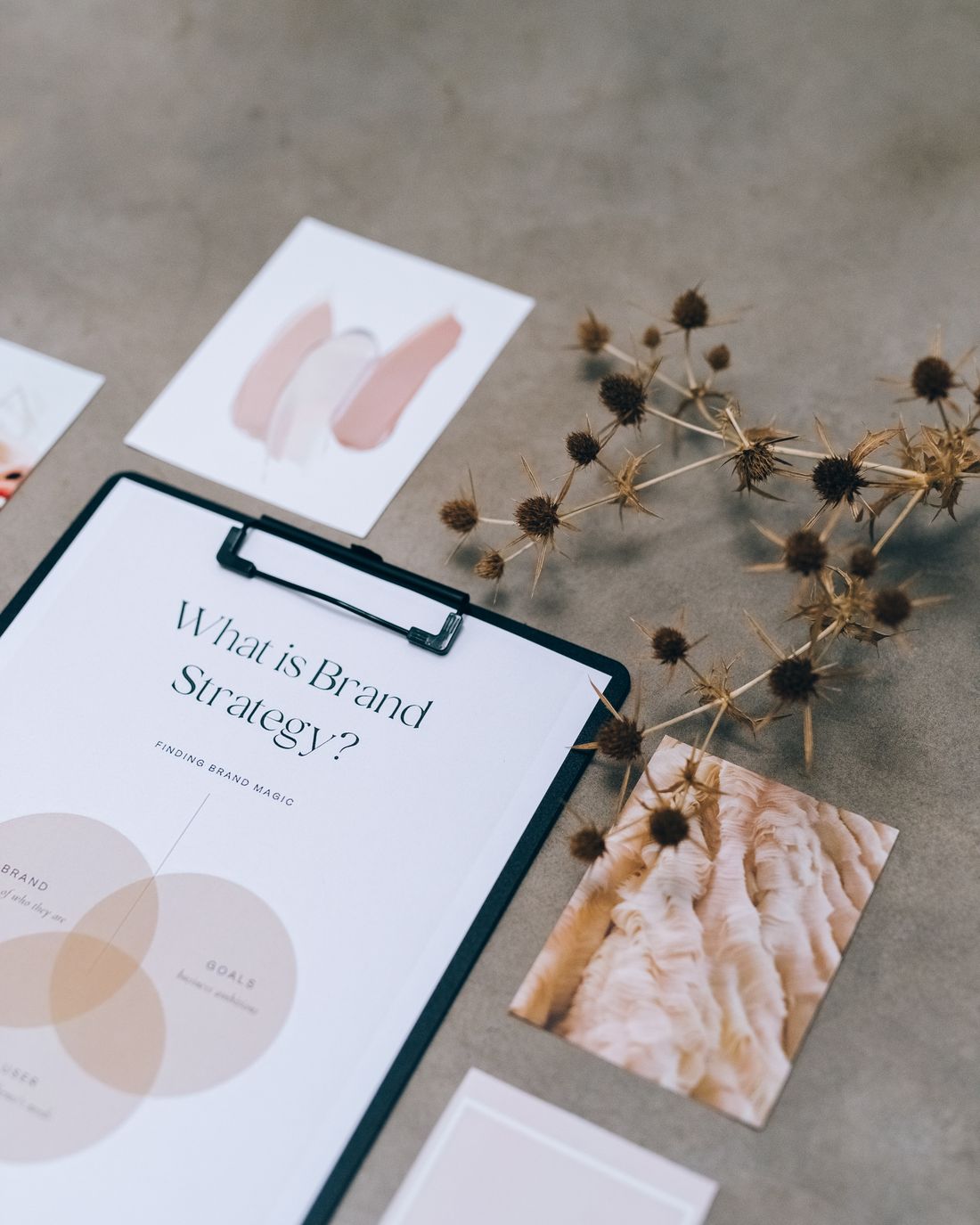
What does a month look like?
Most of the work runs on a steady rhythm. The table below shows roughly how a brand manager spends their time in a growing brand.
| How often | What happens |
|---|---|
| Weekly | Team call, follow up on ongoing work, content and design approvals |
| Monthly | Content and campaign calendar, review of the numbers, priorities for next month |
| Quarterly | Review of positioning and messaging, decisions on major campaigns and launches |
| As needed | Briefing a new agency or supplier, unexpected opportunities and problems |
What a brand manager does not do
This is where most confusion comes from: a brand manager is not the person who makes everything by hand. A designer draws the logo, an ad specialist sets up the campaigns, a developer builds the site. The brand manager decides why and in what order these things happen, briefs the right people and checks that the result fits the brand. That is why a brand manager does not replace an agency but helps it work better. I cover this in more detail in brand manager vs agency.
What skills does it take?
- Strategic view: keeping the big picture while handling daily work.
- Clear writing and briefing: explaining what is needed so everyone understands it the same way.
- An eye for design and content: seeing quickly whether a piece of work fits the brand.
- Comfort with numbers: reading ad and sales data and turning it into decisions.
- Communication: acting as the bridge between founders, the team and outside partners.
When does a brand need a brand manager?
- The founder has to make every design and content decision personally.
- The brand looks and sounds different on each channel.
- You work with several agencies or freelancers, but their results do not connect.
- You are entering a busy period such as a launch, a new market or a funding round.
If it is still too early for a full time hire, a fractional brand manager is a way to get the same work done without the cost of a full time role.
The most valuable part of this job is often invisible: the briefs written, the decisions made and the ideas that never go live because they do not fit the brand. That is where consistency is built.
Frequently asked questions
What does a brand manager do?
A brand manager decides what a brand says, to whom, how it looks and what it prioritises. They build the positioning and brand voice, brief the team and agencies, check that every piece of work fits the brand, and measure results to plan the next step.
What is the difference between a brand manager and a marketing manager?
A marketing manager focuses mostly on sales targets, channels and budget. A brand manager protects who the brand is, how it looks and what it says. In small teams the two roles are often held by the same person.
Does a small brand need a brand manager?
Someone has to hold the direction of a brand at any size. In small brands that person is usually the founder. When the founder runs out of time, a fractional brand manager is a more economical option than a full time hire.
Does a brand manager also do design?
Some can, but it is not the core of the job. A brand manager decides what the design, content and ads should be, briefs the right people and reviews the result. The production is usually done by designers, content creators and ad specialists.
Need someone to keep your brand on course?
Brand Partnership gives you a brand manager running your brand every month, plus a design, content and ad team that steps in when needed, all through one contact.