A logo is not a brand: the first decisions for a new brand
 Kübra Tunca, brand manager
11 November 2026
6 min read
A logo is a brand's signature. The brand is everything people think and feel when they see that signature. A new brand does not start with a logo but with decisions about what it promises and to whom. A logo truly works when it is designed after those decisions are clear.
One of the first things most founders do is get a logo made. It is an understandable instinct, because a logo is visible, tangible and exciting. But a logo designed before it is clear who the brand speaks to, what it promises and how it speaks soon becomes a logo that has to be changed. In this article I explain the difference between a logo and a brand, and the decisions a new brand should make before its logo.
The difference between a logo and a brand
The two are often used as if they meant the same thing, but they are different. A logo is part of a brand, not the brand itself.
| Logo | Brand | |
|---|---|---|
| What it is | The visual signature that identifies the brand | Everything people think and feel about the brand |
| Where it lives | On the product, the website and the sign | In the customer's mind |
| How it forms | Through a design process | Through promises kept at every touchpoint |
| Who creates it | A designer | Everyone who works with the brand, and its customers |
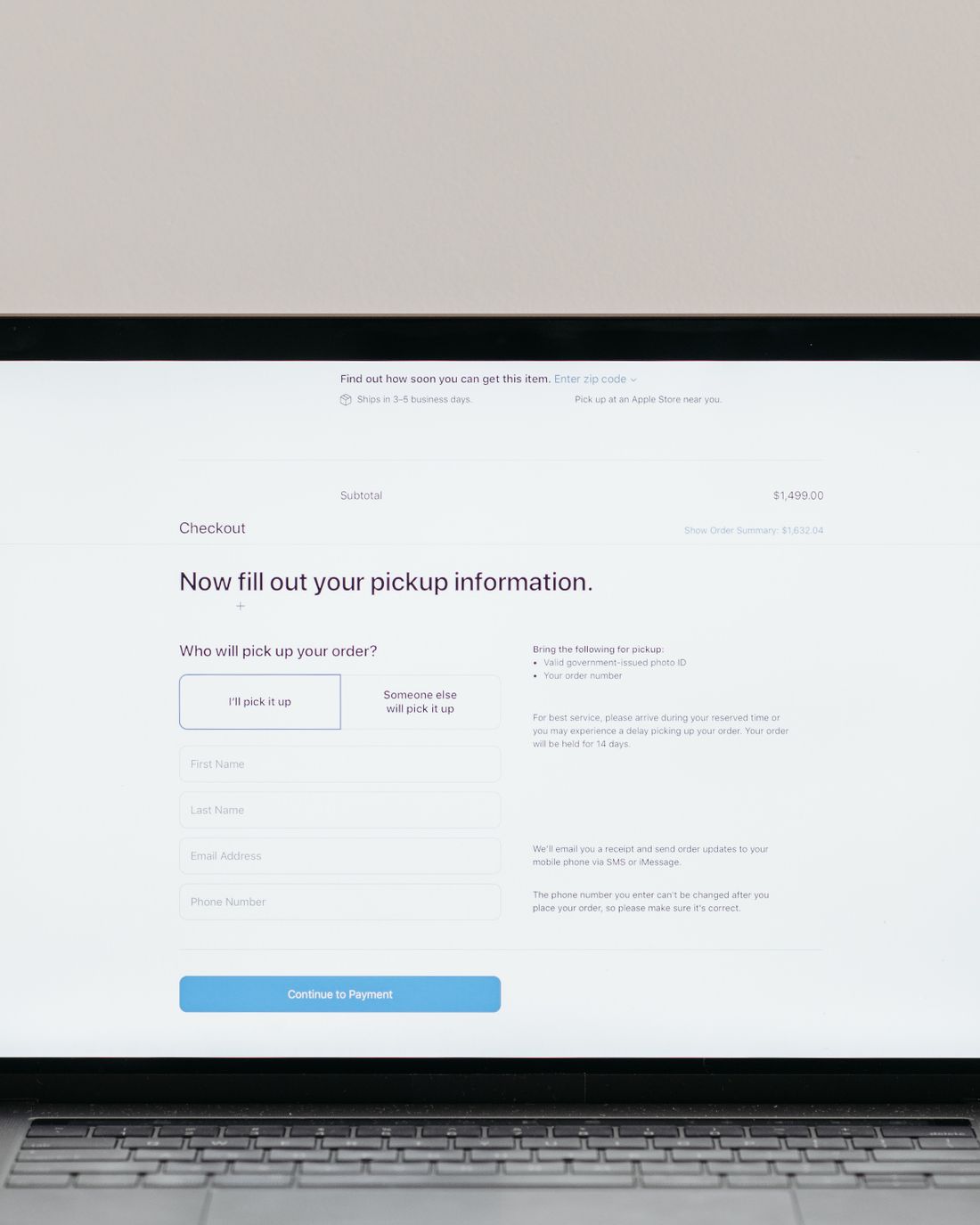
A customer experiences a brand not only through its logo but on the screen where they place an order, in the email they receive and in the answer to their question. The meaning a logo carries is the sum of these moments.
The decisions a new brand makes before its logo
- Who it speaks to: the people the brand addresses and what they look at when deciding.
- What it promises: the result customers get when they choose the brand.
- What sets it apart: its difference from similar brands and the reason to believe it. I cover this in how to write a positioning statement.
- How it speaks: the brand's personality and voice. More in how to build a brand voice guide.
- Where it will be seen: the channels and settings where people will meet the brand most. Will the logo live mostly on screens, on packaging or on a sign?
Once these five questions are answered, the designer gets a clear direction instead of "a nice logo". The logo is then judged against these decisions rather than personal taste.
How a logo grows out of these decisions
When the decisions are clear, each one turns into a visual choice. A calm, reassuring brand calls for a simple typeface and quiet colours. A brand speaking to a young, energetic audience can use a bolder visual language. A brand seen mostly on phones needs a logo that reads at small sizes. The logo then repeats visually what the brand is saying.
Common mistakes
- Spending the whole budget on the logo: the logo is ready, but what the brand will say is not.
- Choosing by personal taste: the logo the founder likes may not meet the customer's need.
- Designing for trends: a style that is fashionable this year looks dated within a few years.
- Leaving the logo on its own: without colour, typeface and usage rules, it looks different in every application.
- Changing it often: every change restarts the recognition built in the customer's mind.
Four questions to judge a logo
- Does it read at small sizes? It should be clear on a phone screen and as a social media profile picture.
- Does it work in one colour? It should be recognisable in black and white print and on a dark background.
- Does it reflect the brand's personality? It should say the same thing as the adjectives in the voice guide.
- Will it still hold in a few years? It should rest on the brand's long term promise, not today's trend.
Where does the logo sit in the brand book?
The logo sits in the visual identity section of the brand book, after positioning and brand voice. The Brand Foundation package follows the same order: positioning and brand voice come first, and the logo and visual identity are built on top of those decisions.
When I start working with a new brand, I prefer not to talk about the logo in the first meeting. We first agree on what the brand will say and to whom. By the time we get to the logo, most of the decisions have already been made.
Frequently asked questions
Can a new brand start without a logo?
Yes. Writing the brand name in a well chosen typeface is a solid start for most new brands. The logo on this site is simply my name. What matters is that this plain signature is used the same way everywhere.
How much of the budget should go to the logo?
There is no fixed ratio. But spending the whole budget on the logo and leaving nothing for positioning, brand voice and first applications is a common mistake. The logo should be planned as one part of those decisions.
When should a logo be changed?
When the brand changes direction, enters a new audience or market, or the logo no longer reflects its promise. Changing a logo just because you are tired of it resets the recognition customers have built.
Can a logo be designed with AI tools?
They can help generate ideas and test directions. But a logo needs to be original, work at different sizes and colours, and be part of an identity system. That is why the result should be refined by a designer and checked for trademark registration.
Shall we build your brand before the logo?
In Brand Foundation, positioning, brand voice and visual identity come together in a single brand book in 3 to 5 weeks. Your logo repeats visually what your brand is saying.